
Table of Contents
- What Makes a Cleaning Product Eco-Friendly in 2026?
- How We Evaluated These Products
- 1. High-Pressure Steam Cleaner: Chemical-Free Deep Cleaning
- 2. Cotton Beeswax Fresh-Keeping Cloth: Plastic-Free Food Storage
- 3. Toilet Disposable Brush: A More Hygienic Bathroom Swap
- 4. UV Toothbrush Sanitizer: Chemical-Free Oral Care
- 5. Shoe Clean Laundry Bag: Wash Sneakers Without the Wear
- 6. Ultrasonic Contact Lens Cleaner: Deep Clean Without Chemicals
- DIY vs. Store-Bought: Which Actually Costs Less?
- Allergy and Chemical Sensitivity Profiles
- Disposal and Recycling of "Eco" Packaging
- How to Switch to Sustainable Cleaning
- The Bottom Line on Eco-Friendly Cleaning
- Frequently Asked Questions
Last Updated: September 17, 2026
What Makes a Cleaning Product Eco-Friendly in 2026?
Eco-friendly cleaning means a product cleans effectively while limiting harm to people, waterways, and air quality. That definition sounds simple, but the label on the bottle rarely tells the whole story. This guide from Trending Now Co. breaks down what actually counts.
Here's the tension most shoppers miss: "green" on a label is marketing, not a standard. No government body approves the word "natural." So the real question isn't whether a product claims to be eco-friendly cleaning. It's whether the formula, the packaging, and the disposal method hold up under scrutiny.
Certifications That Actually Mean Something
Third-party certifications do the vetting that marketing copy won't. The EPA Safer Choice program reviews every ingredient against human health and environmental criteria, which makes it one of the few labels worth trusting. EWG Verified cleaning products take a similar approach, screening for ingredients linked to asthma, hormone disruption, and skin irritation.
Look for these on the label:
- EPA Safer Choice
- EWG Verified
- USDA Certified Biobased
- Leaping Bunny (cruelty-free)
- Cradle to Cradle (packaging and material health)
A product with none of these isn't automatically bad. But without one, you're trusting the brand's own claims about biodegradability and chemical transparency.
Ingredients to Avoid in Household Cleaners
What's not in the bottle matters as much as what is. Watch for synthetic fragrance, which can hide dozens of undisclosed compounds. Avoid volatile organic compounds (VOCs), chlorine bleach, ammonia, and quaternary ammonium compounds. Artificial colors and certain preservatives round out the list.
The CDC's guidance on household chemical safety notes that indoor air can carry higher concentrations of some pollutants than outdoor air, and cleaning products are a common source. That's the practical case for plant-based, pH-balanced formulas: fewer irritants in the air your household breathes.
How We Evaluated These Products
| Product | Price | Category | Best For | Eco Angle |
|---|---|---|---|---|
| High-Pressure Steam Cleaner | $51.12 | Deep cleaning | Kitchens, bathrooms, appliances | Chemical-free, no disposable refills |
| Cotton Beeswax Fresh-Keeping Cloth | $16.11 | Food storage | Replacing plastic wrap | Reusable, compostable cotton |
| Toilet Disposable Brush | $41.76 | Bathroom | Hygienic toilet cleaning | Water-soluble, flushable heads |
| UV Toothbrush Sanitizer | $40.89 | Oral care | Families, couples | Chemical-free UV sterilization |
| Shoe Clean Laundry Bag | $27.63 | Laundry | Sneakers, delicate shoes | Extends product life, cuts replacements |
| Ultrasonic Contact Lens Cleaner | $9.51 | Personal care | Daily lens wearers | Replaces chemical cleaning solutions |
1. High-Pressure Steam Cleaner: Chemical-Free Deep Cleaning
The High-Pressure Steam Cleaner is a great pick for anyone who wants deep cleaning without a single drop of detergent. It uses high-temperature, high-pressure steam to break down grease, grime, and stubborn buildup. That means no surfactants, no synthetic fragrance, and nothing flushed into greywater.


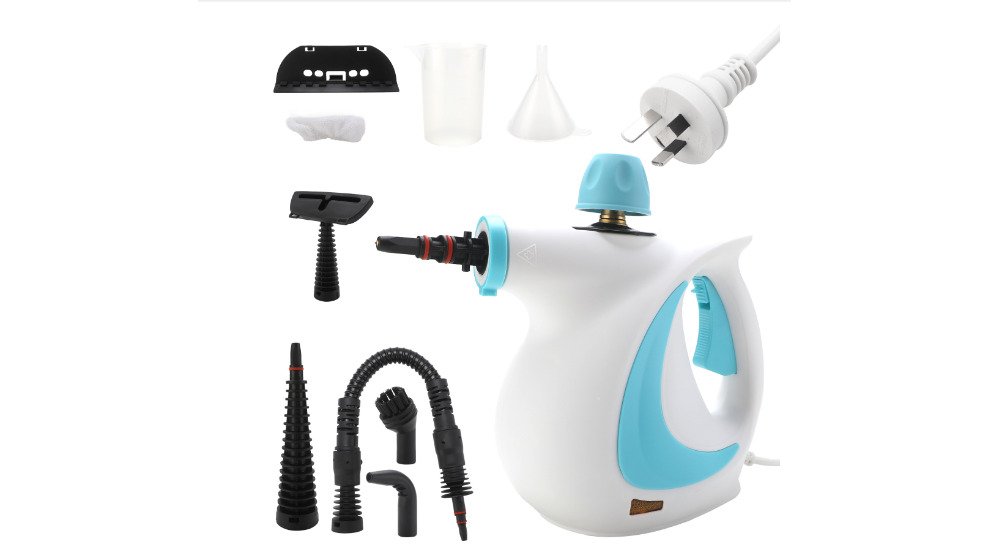
The versatility is what sells it. Kitchens, bathrooms, appliances, air conditioners, range hoods, and hard-to-reach corners all fall within its range. It also sanitizes and deodorizes surfaces as it cleans.
At $51.12, it costs more than a bottle of spray cleaner. But there's nothing to rebuy, ever. That's where the cost-per-use math flips in its favor. It ships with plug options for US, EU, and AU compatibility, so it works whether you're at home or traveling.
2. Cotton Beeswax Fresh-Keeping Cloth: Plastic-Free Food Storage
Plastic wrap is one of the quietest sources of household waste: used once, tossed immediately, never recycled. The Cotton Beeswax Fresh-Keeping Cloth replaces it outright. Made from organic cotton and food-grade beeswax, it molds to bowls and food with the warmth of your hands.
Each package includes three reusable cloths, available in sizes from 18x20 cm up to 33x36 cm. Color options run from Honey and Lemon to Watermelon, Avocado, and a Zero Waste print.
For sustainable packaging on a budget, this is an easy swap. It's plastic-free, reusable, and compostable at the end of its life.
3. Toilet Disposable Brush: A More Hygienic Bathroom Swap
Traditional toilet brushes are a hygiene problem disguised as a cleaning tool. They sit wet, breed bacteria, and force you to handle a soiled head when it's time to replace them. The Toilet Disposable Brush fixes that with a cleaning head you eject using a blue button on the handle. No touching, no mess.

4. UV Toothbrush Sanitizer: Chemical-Free Oral Care
Toothbrushes sit in the most humid room in the house, and most people never think about what grows on them. The UV Toothbrush Sanitizer uses UV light technology to eliminate up to 99.9% of bacteria on your brush, with no rinses, sprays, or chemical solutions involved.
5. Shoe Clean Laundry Bag: Wash Sneakers Without the Wear
Washing sneakers in a machine without protection scuffs them, warps their shape, and can damage the drum. The Shoe Clean Laundry Bag is a specialized mesh bag that solves both problems at once. Its breathable material lets water and detergent flow through for a thorough clean while preventing scuffs and damage.
6. Ultrasonic Contact Lens Cleaner: Deep Clean Without Chemicals
Contact lens wearers go through a lot of solution, and most of it ends up down the drain. The Ultrasonic Contact Lens Cleaner provides deep cleaning and sterilization through mechanical operation instead, using ultrasonic action rather than chemical soaking.
DIY vs. Store-Bought: Which Actually Costs Less?
DIY cleaners built from vinegar, baking soda, and castile soap win on upfront cost and ingredient transparency. You know exactly what's in the bottle. But they lose on convenience and, in some cases, on cleaning efficacy for heavy grease or sanitizing tasks.
Allergy and Chemical Sensitivity Profiles
Not all "green" products suit sensitive households. Plant-based formulas can still trigger reactions, and essential oils are a common culprit. If someone in your home has asthma or skin sensitivities, prioritize fragrance-free options and products with published ingredient lists.
Disposal and Recycling of "Eco" Packaging
Here's the gap most guides skip. A product can be plastic-free and still end up in a landfill if your area can't process the material. Compostable cloths need industrial composting to break down as intended. Refill pods and pouches often aren't recyclable curbside.
How to Switch to Sustainable Cleaning
Switching doesn't require replacing everything at once. A staged approach works better and costs less.
- Finish what you already own before buying replacements
- Swap the highest-use items first, like food storage and daily surface cleaners
- Add one durable tool, such as a steam cleaner, to cut disposable purchases
- Read ingredient lists and prioritize chemical transparency over label claims
- Check local recycling rules before trusting a "compostable" claim
The Bottom Line on Eco-Friendly Cleaning
Trending Now Co. curates household essentials like these alongside pet supplies, personal care, and clothing, so you can build a cleaner home without bouncing between stores.
Frequently Asked Questions
What makes a cleaning product truly eco-friendly?
An eco-friendly cleaning product uses biodegradable, plant-based ingredients that break down without harming waterways. It avoids synthetic fragrance, artificial colors, and volatile organic compounds. Look for third-party certifications like EPA Safer Choice or EWG Verified, which confirm the claims. Packaging matters too, so refillable or plastic-free options reduce environmental impact. Concentrated formulas cut shipping weight and plastic use. Greenwashing is common, so check the full ingredient list rather than trusting front-label claims.
Are eco-friendly cleaning products more expensive than regular ones?
The upfront cost can be higher, but cost-per-use often evens out. Concentrated formulas mean you dilute at home, so one bottle lasts longer. Reusable tools like the Cotton Beeswax Fresh-Keeping Cloth at $16.11 replace hundreds of plastic wrap sheets. A High-Pressure Steam Cleaner at $51.12 eliminates the need to buy chemical cleaners repeatedly. Over a year, these swaps frequently cost less than constantly restocking disposable products.
How do I switch to sustainable cleaning without wasting money?
Start by replacing one product at a time as it runs out, not all at once. Swap plastic wrap for reusable beeswax cloths, or trade disposable toilet brushes for a refillable system. Prioritize items you use daily, since those have the biggest environmental impact. Check for EWG Verified cleaning products when buying liquids. This gradual approach spreads the cost and lets you test what works before committing to a full overhaul.
What ingredients should I avoid in household cleaning products?
Avoid synthetic fragrance, which can trigger allergies and isn't fully disclosed on labels. Skip products with volatile organic compounds, harsh surfactants like alkylphenol ethoxylates, and artificial colors. Preservatives such as formaldehyde-releasing agents are also worth avoiding. Chemical transparency matters, so choose brands that list every ingredient. If a label only says 'fragrance' or 'proprietary blend,' you can't verify what's inside.
How can I reduce plastic waste with my cleaning routine?
Switch to refillable or concentrated formulas that come in smaller packaging. Choose plastic-free tools like the Cotton Beeswax Fresh-Keeping Cloth, which replaces single-use plastic wrap for food storage. Reusable mesh bags for washing shoes cut down on wear and replacement purchases. Look for best plastic-free cleaning brands that offer compostable or recyclable packaging. Disposal matters too, so check whether refill pods or pouches can be recycled curbside or through store drop-off programs.
The hardest part of going green isn't finding products. It's finding ones that actually work and hold up over time. Trending Now Co. vets its household selection so you're not guessing, with a curated range that spans cleaning tools, personal care, and everyday essentials, plus fast shipping and a straightforward return process. Get started with Trending Now Co. and build a cleaner home with products you won't have to replace next month.