
Table of Contents
- What Product Verification Actually Means
- How to Verify Product Quality Before You Buy
- How to Verify Brand Authenticity
- How to Spot Fake Reviews When Evaluating Quality
- Product Quality Inspection Checklist for Online Shoppers
- Digital Verification Tools for Smarter Shopping
- Your Legal Options When Product Quality Falls Short
- How to Verify Product Quality Through Curated Retailers
Last Updated: August 20, 2026
What Product Verification Actually Means
Product verification is the process of confirming that a product matches its stated specifications, is authentic, and meets quality standards before or after purchase. It combines visual inspection, documentation review, and testing to catch defects, counterfeits, or misleading claims.
This guide from Trending Now Co. breaks down how to verify product quality at every stage, from reading a product listing to unpacking a delivery. Whether you're buying personal care gadgets, household supplies, or gifts, the same core principles apply. You'll find step-by-step methods, a practical inspection checklist, and tools that make the process faster.
Most shoppers check the wrong things. A shiny product photo and five-star average rating are among the least reliable quality signals. What actually matters is a combination of specification matching, traceability, and sourcing transparency.
How to Verify Product Quality Before You Buy
Knowing how to verify product quality before purchase saves time, money, and frustration. The process breaks down into four concrete steps.
Step 1: Check Specifications and Design Requirements
Start by comparing the product's stated specifications against your actual needs. For electronics, check voltage and wattage. For personal care products, check active ingredients and material safety. For household goods, look for compliance with relevant standards, such as those set by the Consumer Product Safety Commission.
Manufacturing tolerances matter too. A product described as "stainless steel" should specify the grade. "Waterproof" should come with an IP rating. Vague language often signals that the seller can't stand behind those claims.
Step 2: Inspect Packaging and Labeling
Packaging integrity is one of the fastest quality indicators available. Authentic products from reputable manufacturers invest in consistent, professional packaging. Misaligned logos, spelling errors, inconsistent fonts, or flimsy materials signal quality concerns.
Check the label for:
- Full ingredient or material list
- Country of origin
- Manufacturer contact information
- Lot or batch number for traceability
- Relevant safety warnings or certifications
The FDA labeling requirements for consumer products mandate specific disclosures for many product categories. Missing required information is both a quality and compliance concern.
Step 3: Review Supplier Documentation and Compliance Records
For higher-stakes purchases, request documentation including certificates of conformity, test reports, material safety data sheets, and quality control inspection records. Third-party audit reports from independent labs carry significantly more weight than seller self-certification.
Step 4: Use Serial Numbers and QR Codes
Serial numbers and QR codes are the most direct traceability tools available. Many brands embed QR code verification directly into packaging, linking to authentication pages that confirm the product's origin and supply chain history.
Scan every QR code before using a product. A code that leads to a broken URL or a page that doesn't match the product you're holding is a serious authenticity warning.
| Verification Step | What to Check | Red Flag |
|---|---|---|
| Specifications | Material, dimensions, certifications | Vague or missing specs |
| Packaging | Label accuracy, print quality, lot number | Spelling errors, missing info |
| Documentation | Test reports, compliance certificates | Self-certified only |
| Serial/QR Code | Manufacturer authentication page | Broken link or mismatch |
How to Verify Brand Authenticity
Verifying brand authenticity means confirming that a product was actually made by, or authorized by, the brand it claims to represent. The most reliable method is to purchase directly from the brand's official website or from a curated retailer with verified sourcing.
Look for these authenticity signals:
- The brand's official website lists authorized sellers
- The product's serial number validates through the manufacturer's portal
- Packaging matches the brand's current design exactly
- Customer service contact details on the packaging lead to a real, responsive team
According to the U.S. Customs and Border Protection's intellectual property rights resources, counterfeit goods seized at the border span nearly every consumer product category. Brand authentication is a practical step, not an overcautious one.
How to Spot Fake Reviews When Evaluating Quality
Fake reviews are among the most effective tools for masking poor product quality.
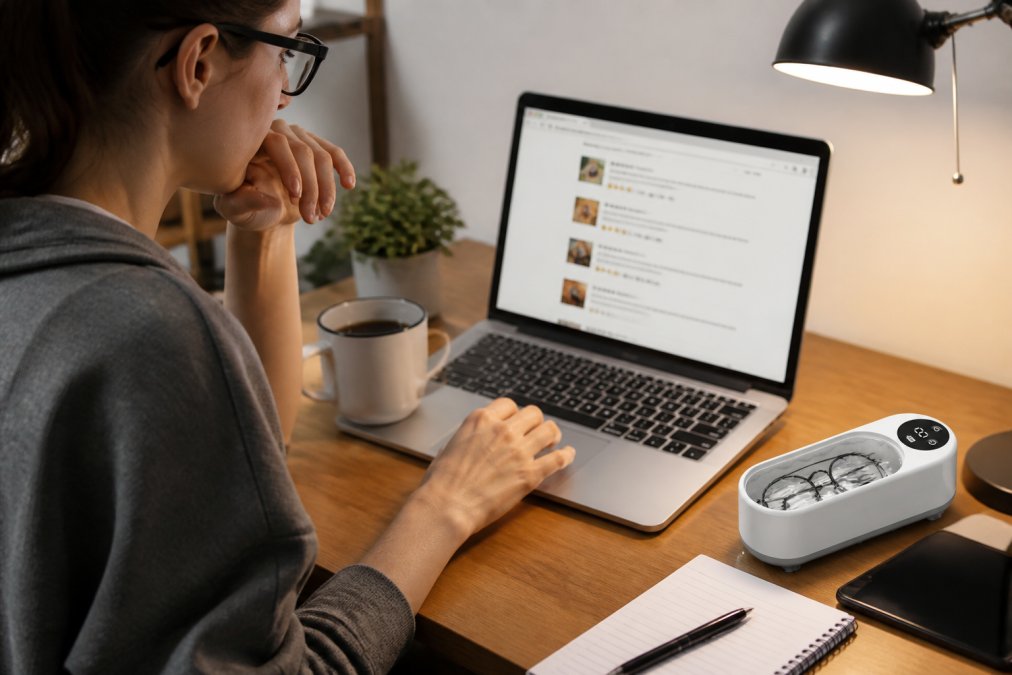
A pattern of five-star reviews with no detail is the clearest signal. Authentic customer feedback tends to be specific: it names actual features, describes a real use case, and often includes both positives and minor criticisms.
Watch for these patterns:
- Reviewer profiles with no history: New accounts that reviewed only this product
- Clustered review dates: A sudden spike in reviews over 48-72 hours
- Identical phrasing: Multiple reviews using the same sentence structure
- No critical reviews: A product with hundreds of reviews and zero complaints is statistically improbable
- Unverified purchases: Filter for verified purchasers only
Cross-reference reviews across multiple platforms for a more accurate defect rate picture.
Product Quality Inspection Checklist for Online Shoppers
Here's a practical checklist to run through before and after any online purchase.
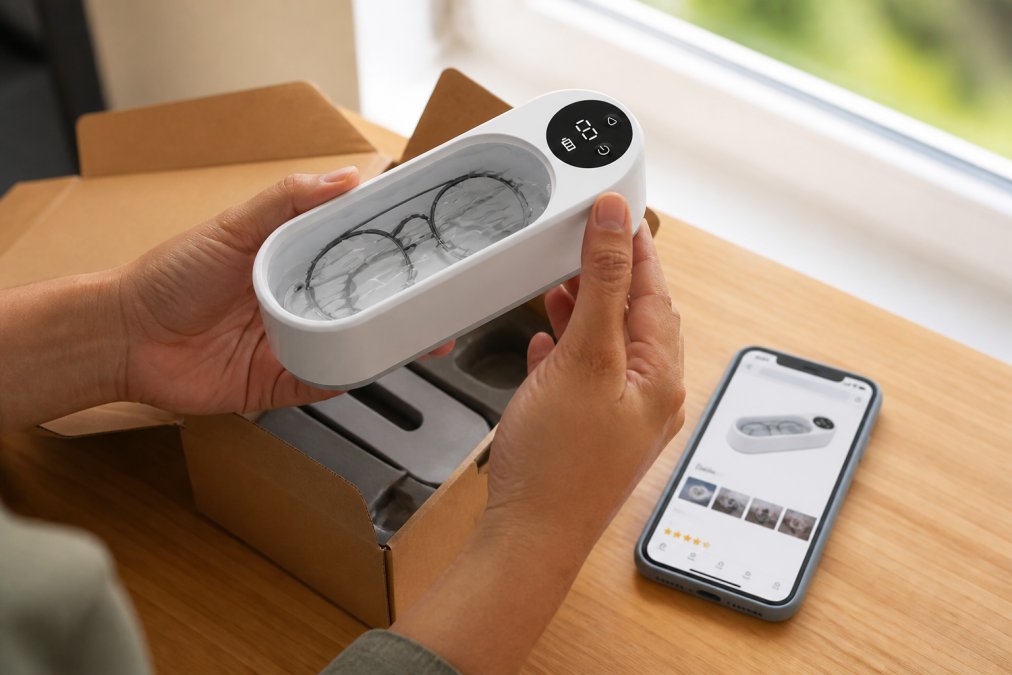
Before You Buy:
- Product listing includes full material and specification details
- Brand or seller has verifiable contact information
- Reviews span multiple platforms and include verified purchasers
- No recent spike in five-star reviews with generic text
- QR code or serial number verification is mentioned
- Packaging images show a lot number or batch code
- Returns policy is clearly stated and reasonable
On Delivery:
- Outer packaging is undamaged and sealed
- Label matches the product listing exactly
- Lot number is present and legible
- QR code scans to the manufacturer's official authentication page
- Serial number matches documentation in the box
- Product weight and dimensions match specifications
- No unusual odors, discoloration, or surface defects
After First Use:
- Product performs as described
- No unexpected wear, malfunction, or material degradation
- Instructions and documentation are complete and professionally printed
Digital Verification Tools for Smarter Shopping
Digital verification tools give consumers access to the same quality assurance processes that large importers have used for years.
QR and barcode scanners: Most smartphones can scan QR codes natively. Third-party barcode scanning apps cross-reference product UPCs against manufacturer databases, flagging mismatches.
Reverse image search: Running a product's main image through reverse image search reveals whether the same photo is used across dozens of unrelated listings, a common signal of dropshipped or counterfeit goods.
Browser extensions for review analysis: Several tools analyze review patterns on major e-commerce platforms in real time, flagging suspicious distributions and unverified purchaser ratios.
Manufacturer authentication portals: Many brands maintain dedicated verification pages where you enter a serial number and receive instant confirmation of authenticity and warranty status.
For products like the Ultrasonic Contact Lens Cleaner from Trending Now Co., verifying the technology's legitimacy matters: ultrasonic cleaning works through specific frequency ranges, and a product that doesn't disclose operating specifications is worth scrutinizing before it touches something as sensitive as contact lenses.

Your Legal Options When Product Quality Falls Short
Knowing your legal recourse is part of a complete approach to product quality verification.
If a product fails to meet its stated specifications or causes harm, several legal frameworks apply. The FTC's consumer protection resources on product safety outline your rights when a product is falsely advertised or defective. Key options include:
- Chargeback through your payment provider: For online purchases, credit card chargebacks are available when a product materially differs from its description.
- Consumer Product Safety Commission complaints: For products that present a safety risk, filing a report with the CPSC creates a record and can trigger broader investigations.
- State consumer protection laws: Most states have statutes that prohibit deceptive trade practices and allow recovery of damages beyond the purchase price.
- Small claims court: For purchases under your state's small claims threshold, this is a practical avenue for recovering losses.
- Retailer dispute resolution: Many retailers have formal dispute processes that move faster than legal action and often result in refunds or replacements.
If a product claims to be sustainably sourced, organic, or ethically manufactured, those claims are subject to FTC guidelines. Vague terms like "eco-friendly" without substantiation can constitute a deceptive trade practice.
How to Verify Product Quality Through Curated Retailers
The single most efficient way to verify product quality before you buy is to shop through a retailer that has already done the vetting for you.
A curated retailer selects products based on quality criteria and supplier assessment, rather than listing everything available. The inspection work, documentation review, and vendor assessment happen upstream, before a product reaches your cart.
Trending Now Co. operates on exactly this model. The platform curates trending products across personal care, household goods, clothing, and pet supplies, selecting items that meet quality and relevance standards. Products like the UV Toothbrush Sanitizer and the Ultrasonic Retainer Cleaner Machine represent functional, technology-forward items that go through a curation process before appearing on the site.

The practical advantage for shoppers is reduced inspection burden. You still apply the checklist once your order arrives, but the pre-purchase verification step is handled at the sourcing level.
According to Better Business Bureau guidance on online shopping safety, buying from established retailers with clear return policies and verifiable contact information is one of the most effective risk-reduction strategies available. Curated platforms with defined selection criteria add another layer of quality assurance.
Learning how to verify product quality is a skill worth developing regardless of where you shop. But pairing that knowledge with a retailer that shares your standards makes the whole process significantly less work.
Shopping for trending products shouldn't mean gambling on quality. Trending Now Co. curates its selection specifically to reduce that uncertainty, with a diverse range of personal care, household, and lifestyle products chosen for their quality and relevance. Fast shipping, a straightforward returns process, and a constantly updated product catalog mean you spend less time second-guessing and more time enjoying what you ordered. Shop Now at Trending Now Co. and find your next must-have with confidence.
Frequently Asked Questions
How can I check the quality of a product before buying online?
Start by reading the product description carefully and comparing specifications against your needs. Look for detailed packaging information, material composition, and compliance markings. Check customer reviews for mentions of defects or non-conformance. Search for the brand's official website and verify the seller is authorized. For electronics or personal care items, look for regulatory compliance marks such as FCC or FDA clearance. A clear return policy is also a strong signal that the seller stands behind what they sell.
How do I spot fake reviews when checking product quality?
Look for reviews that are vague, overly enthusiastic, and posted within a short time window, these are common patterns in fake review campaigns. Genuine reviews usually mention specific product details, describe real use cases, and include both pros and cons. Check if the reviewer has a purchase history on the platform. Free browser tools can analyze review authenticity scores for many major retail sites. A mix of 3- and 4-star reviews alongside 5-star ones generally signals a more trustworthy review profile.
What are the most reliable ways to verify product authenticity?
The most reliable methods include scanning QR codes or serial numbers on the manufacturer's official verification portal, purchasing directly from authorized retailers, and checking for tamper-evident packaging seals. Counterfeit products often have inconsistent fonts, blurry logos, or missing regulatory markings. For higher-value items, third-party authentication services offer inspection reports. Buying from curated retailers that conduct vendor assessments and pre-shipment inspections before listing products adds another layer of protection.
How do return policies reflect a company's confidence in product quality?
A straightforward, no-hassle return policy signals that a retailer trusts the products they sell. Companies confident in their quality assurance process make returns easy because they expect low defect rates. Watch for vague or heavily restricted return windows, restocking fees on defective items, or policies that require you to pay return shipping on damaged goods, these can indicate the seller anticipates more returns than average. Under the FTC's Mail Order Rule, online sellers must fulfill orders or offer refunds within stated timeframes.
This article was written using GrandRanker